Buy artmedal.eu ?
We are moving the project
artmedal.eu .
Are you interested in purchasing the domain
artmedal.eu ?
domain@kv-gmbh.de · 0541-91531010
Buy artmedal.eu ?
What is butyric acid?
Butyric acid is a short-chain fatty acid that is naturally found in certain foods like butter and cheese. It is also produced by certain bacteria in the gut during the digestion of dietary fiber. Butyric acid has a characteristic smell and taste, and it is known for its role in supporting gut health by providing energy to the cells lining the colon. Additionally, butyric acid has been studied for its potential anti-inflammatory and anti-cancer properties. **
How does butyric acid smell?
Butyric acid has a strong, rancid, and unpleasant smell often described as similar to vomit or rancid butter. It is known for its pungent and offensive odor, which can be detected even at very low concentrations. The smell of butyric acid is often associated with spoiled dairy products and is generally considered to be highly unpleasant. **


Similar search terms for Butyric
Top-Angebote
Products related to Butyric:
-
Bronzhaus Vintage Mickey Mouse Bronze Figurine, Collectible Walt Disney Character SculptureCondition: This sculpture is in perfect condition Bronze Dimensions with Marble Base: Height 16 inches X Width 8.5 inches Marble Dimensions: 5.5 inches X 4.5 inches Height without base:15 inches Weight:16 LBS Inventory:42YCN15210824 Original or…438,49 $*Shipping: 0,00 $Secure redirect to the provider
-
Bronzhaus English Bulldog Bronze Metal Figurine Sculpture Original Art Collectible Blue PatinaCondition: This sculpture is in perfect condition Bronze Dimensions: Height 3 inches X Width 6 inches Weight:1.5 LBS Inventory:84AL093B2548 Original or Reproduction: Original For centuries, dogs have been faithful companions and beloved members of…171,99 $*Shipping: 0,00 $Secure redirect to the provider


-
What does butyric acid smell like?
Butyric acid has a strong, rancid smell often described as being similar to vomit or rancid butter. It is known for its unpleasant odor, which can be detected even in small amounts. The smell of butyric acid is often associated with spoiled dairy products or rancid fats. **
-
Is butyric acid everywhere, but untraceable?
Butyric acid is a common compound found in many natural sources such as butter, cheese, and animal fats. It is also produced by certain bacteria in the human gut and is responsible for the distinctive smell of vomit. While it is widespread in nature, it may not always be easily traceable due to its low concentration in many of these sources. However, with the use of modern analytical techniques, it is possible to detect and quantify butyric acid in various samples. **
-
How does glycerin react with butyric acid?
Glycerin reacts with butyric acid through an esterification reaction, where the hydroxyl group (-OH) of glycerin reacts with the carboxyl group (-COOH) of butyric acid. This reaction forms a molecule called glyceryl butyrate, which is an ester. The reaction is catalyzed by an acid, such as sulfuric acid. Glycerin and butyric acid combine to form glyceryl butyrate and water as a byproduct. **
-
Can butyric acid be dangerous for humans?
Butyric acid is generally considered safe for humans in small amounts, as it is a naturally occurring compound found in certain foods like butter and cheese. However, exposure to high concentrations of butyric acid can cause irritation to the skin, eyes, and respiratory tract. Ingesting large amounts of butyric acid may also lead to gastrointestinal issues such as stomach upset and diarrhea. Overall, while butyric acid is not typically dangerous in normal dietary consumption, it is important to avoid excessive exposure to concentrated forms of the acid. **
How can the term butyric acid be explained?
Butyric acid is a carboxylic acid with the chemical formula C4H8O2. It is a volatile fatty acid that is found in animal fats and plant oils. It is known for its unpleasant odor and is responsible for the rancid smell of butter when it goes bad. Butyric acid is also produced by bacteria in the colon and is a major energy source for colon cells. **
What are the characteristics of butanoic acid (butyric acid)?
Butanoic acid, also known as butyric acid, is a carboxylic acid with the chemical formula C4H8O2. It is a colorless liquid with a strong, unpleasant odor, often described as rancid or like vomit. Butanoic acid is found in animal fats and plant oils, and it is responsible for the distinctive smell of rancid butter. It is also used as a flavoring agent in food and as a precursor for the production of various chemicals. **
Top-Angebote
Products related to Butyric:
-
Multisell Products Hub Unique Design Cast Iron Horseshoe Wall Sculpture, Vintage Metal Home Ornament Hanging Unique Design Cast Iron Horseshoe Wall Sculpture, Vintage Metal Home Ornament HangingRustic Charm for Your Home Add a touch of timeless elegance to your home with this New Cast Iron Horseshoe Decoration Wall Hanging. Crafted from durable metal, this vintagestyle wall sculpture brings rustic charm to any room. Its unique design is...34,97 $*Shipping: 0,00 $Secure redirect to the provider
-
Uplift Essentials Avian Narrative Sculpture High Definition Dove Architectural Ornament Avian Narrative Sculpture High Definition Dove Architectural Ornament"Synchronize your sanctuary with the highdefinition, highvibration energy of our Artificial Grey Pigeon Sculpture. Featuring a sophisticated ""natureluxe"" silhouette of rhythmic avian anatomy, these simulation masterpieces are designed to bring a..."34,97 $*Shipping: 0,00 $Secure redirect to the provider
-
Bronzhaus Vintage Mickey Mouse Bronze Figurine, Collectible Walt Disney Character SculptureCondition: This sculpture is in perfect condition Bronze Dimensions with Marble Base: Height 16 inches X Width 8.5 inches Marble Dimensions: 5.5 inches X 4.5 inches Height without base:15 inches Weight:16 LBS Inventory:42YCN15210824 Original or…438,49 $*Shipping: 0,00 $Secure redirect to the provider
-
What is butyric acid?
Butyric acid is a short-chain fatty acid that is naturally found in certain foods like butter and cheese. It is also produced by certain bacteria in the gut during the digestion of dietary fiber. Butyric acid has a characteristic smell and taste, and it is known for its role in supporting gut health by providing energy to the cells lining the colon. Additionally, butyric acid has been studied for its potential anti-inflammatory and anti-cancer properties. **
-
How does butyric acid smell?
Butyric acid has a strong, rancid, and unpleasant smell often described as similar to vomit or rancid butter. It is known for its pungent and offensive odor, which can be detected even at very low concentrations. The smell of butyric acid is often associated with spoiled dairy products and is generally considered to be highly unpleasant. **
-
What does butyric acid smell like?
Butyric acid has a strong, rancid smell often described as being similar to vomit or rancid butter. It is known for its unpleasant odor, which can be detected even in small amounts. The smell of butyric acid is often associated with spoiled dairy products or rancid fats. **
-
Is butyric acid everywhere, but untraceable?
Butyric acid is a common compound found in many natural sources such as butter, cheese, and animal fats. It is also produced by certain bacteria in the human gut and is responsible for the distinctive smell of vomit. While it is widespread in nature, it may not always be easily traceable due to its low concentration in many of these sources. However, with the use of modern analytical techniques, it is possible to detect and quantify butyric acid in various samples. **
Similar search terms for Butyric
-
Bronzhaus English Bulldog Bronze Metal Figurine Sculpture Original Art Collectible Blue PatinaCondition: This sculpture is in perfect condition Bronze Dimensions: Height 3 inches X Width 6 inches Weight:1.5 LBS Inventory:84AL093B2548 Original or Reproduction: Original For centuries, dogs have been faithful companions and beloved members of…171,99 $*Shipping: 0,00 $Secure redirect to the provider
-
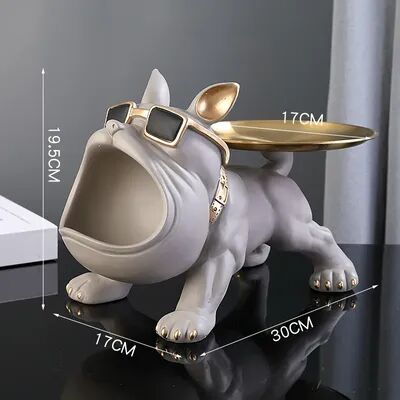
Lush Living Finds Resin Craft Art Sculpture, Dog Statue Storage Box, Animal Ornament, Home Puppy Sculpture bCharming and Functional Home Decor: This dog statue storage box brings both beauty and practicality to your home. Made from durable resin craft art, it features a meticulously crafted puppy sculpture that doubles as a decorative ornament. Whether...79,97 $*Shipping: 0,00 $Secure redirect to the provider
-
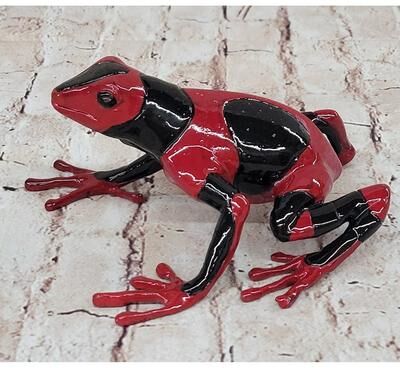
Bronzhaus Red Black Poison Dart Tree Frog Sculpture Figurine Signed Original Numbered CollectibleCondition: This sculpture is in perfect condition Bronze Dimensions: Height 3.5 inches X Width 7 inches Weight:3 LBS Inventory:2863132NR6082 Original or Reproduction: Original The Frogman Frog Bronze Sculpture is an exquisite piece of art that...328,49 $*Shipping: 0,00 $Secure redirect to the provider
-
How does glycerin react with butyric acid?
Glycerin reacts with butyric acid through an esterification reaction, where the hydroxyl group (-OH) of glycerin reacts with the carboxyl group (-COOH) of butyric acid. This reaction forms a molecule called glyceryl butyrate, which is an ester. The reaction is catalyzed by an acid, such as sulfuric acid. Glycerin and butyric acid combine to form glyceryl butyrate and water as a byproduct. **
-
Can butyric acid be dangerous for humans?
Butyric acid is generally considered safe for humans in small amounts, as it is a naturally occurring compound found in certain foods like butter and cheese. However, exposure to high concentrations of butyric acid can cause irritation to the skin, eyes, and respiratory tract. Ingesting large amounts of butyric acid may also lead to gastrointestinal issues such as stomach upset and diarrhea. Overall, while butyric acid is not typically dangerous in normal dietary consumption, it is important to avoid excessive exposure to concentrated forms of the acid. **
-
How can the term butyric acid be explained?
Butyric acid is a carboxylic acid with the chemical formula C4H8O2. It is a volatile fatty acid that is found in animal fats and plant oils. It is known for its unpleasant odor and is responsible for the rancid smell of butter when it goes bad. Butyric acid is also produced by bacteria in the colon and is a major energy source for colon cells. **
-
What are the characteristics of butanoic acid (butyric acid)?
Butanoic acid, also known as butyric acid, is a carboxylic acid with the chemical formula C4H8O2. It is a colorless liquid with a strong, unpleasant odor, often described as rancid or like vomit. Butanoic acid is found in animal fats and plant oils, and it is responsible for the distinctive smell of rancid butter. It is also used as a flavoring agent in food and as a precursor for the production of various chemicals. **
* All prices are inclusive of VAT and, if applicable, plus shipping costs. The offer information is based on the details provided by the respective shop and is updated through automated processes. Real-time updates do not occur, so deviations can occur in individual cases. ** Note: Parts of this content were created by AI.